elqio

Devices

A protocol protects no further than the device that runs it. ELQIO therefore offers three levels of control, from the phone you already have to the hardware you assemble. All of them carry the same core: protocol, identity, encryption, transports. Only the interface and the isolation change.

Level 1

The iOS and Android app

On the phone you already have. This is the entry point: the simplest way to start writing with ELQIO.

The app carries the complete core. It encrypts, fragments, routes and buys its stamps like the other devices.

Trust is limited: the app depends on the host system, its keyboard, its updates, whatever it lets run alongside. ELQIO cannot protect what the phone itself captures before the message is encrypted. We prefer to say so.
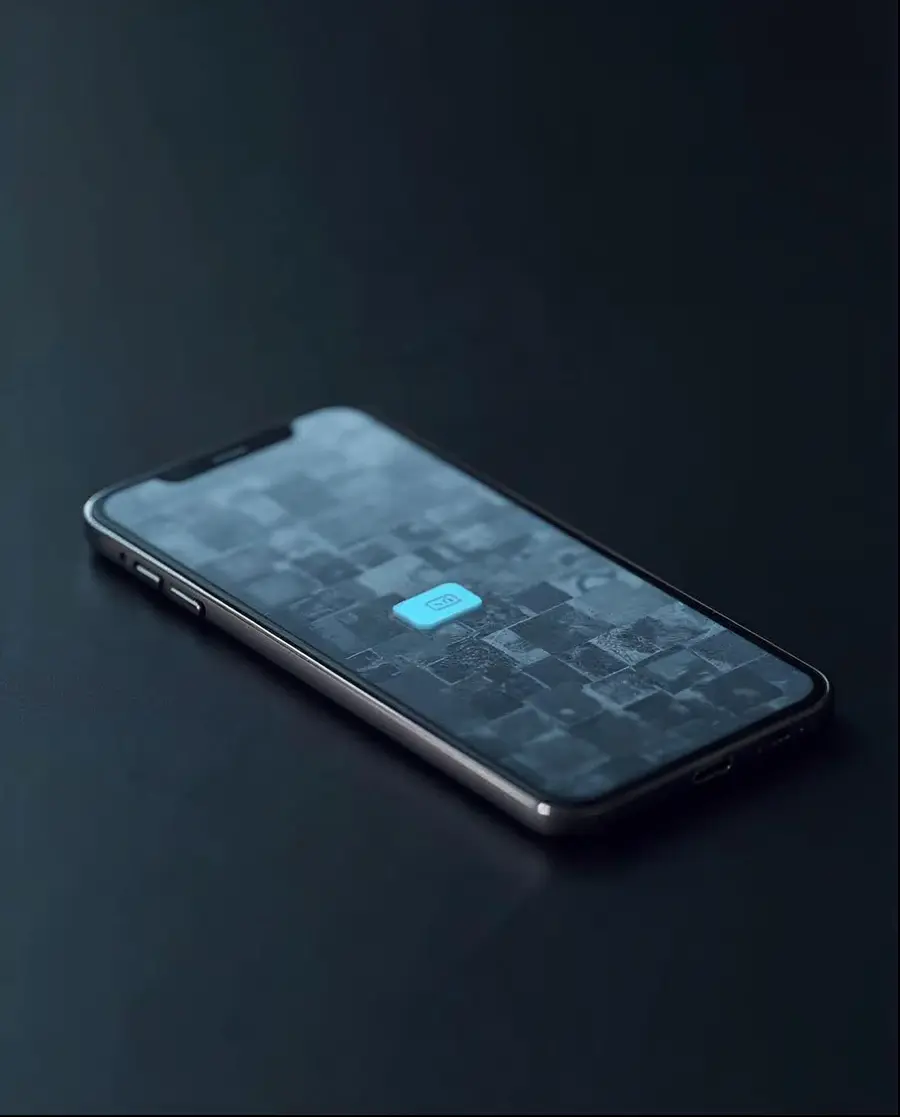
An ordinary smartphone lying on a dark surface, its screen covered with a grid of blurry grey tiles; a single tile is sharp and ice blue.
The same core, in a phone that is not ours.
Level 2

elqio.os

An inexpensive Android phone, reflashed with a minimal ELQIO system. Only what is needed runs, keyboard included. There is nothing else to listen in.

No app store, no third-party services, no telemetry. An almost empty screen, a single use: writing and reading your correspondence.

The system is built with reproducible builds and threshold-signed, like the relays: what you install is what several maintainers approved, and anyone can recompile it to compare.

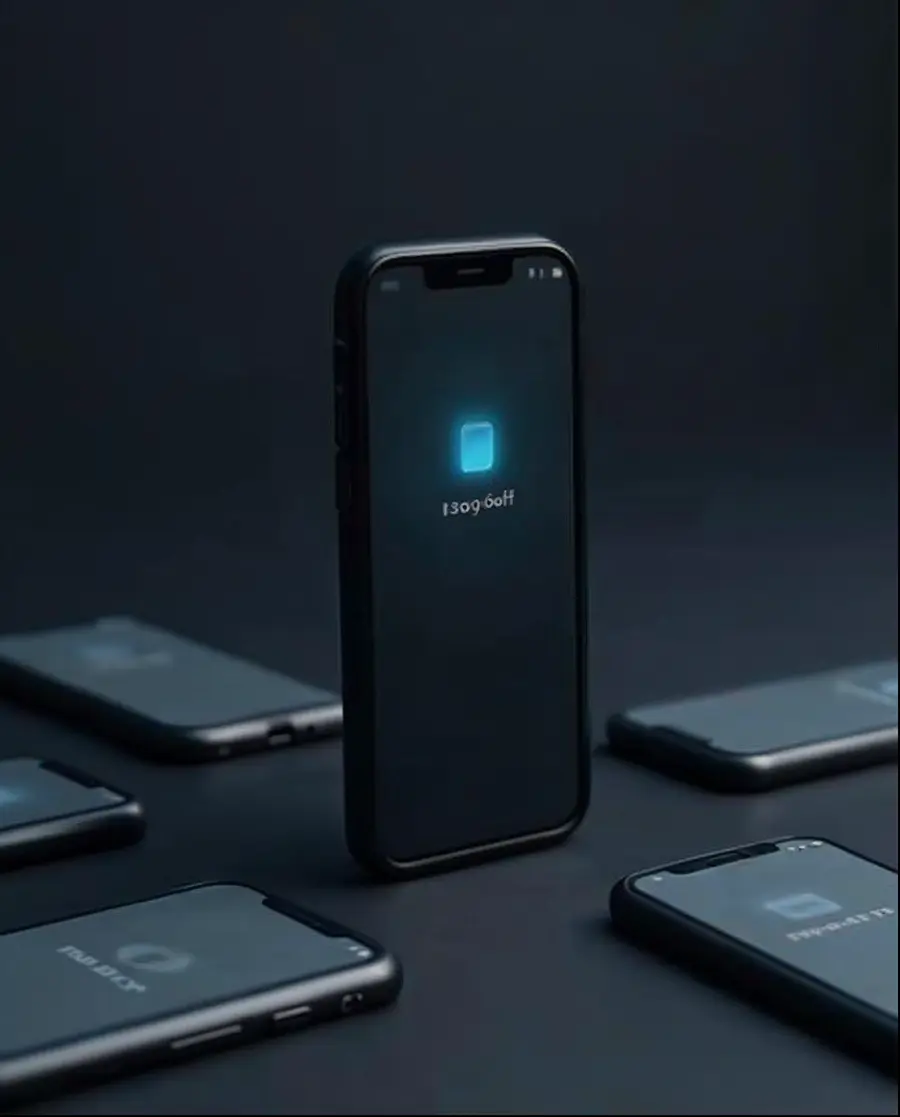
A matte black phone standing upright, its screen almost empty with a single small ice blue square; around it, out of focus, ordinary phones lying with their screens lit.
A plain phone, almost empty screen, a single use. Around it, ordinary phones saturated with apps.
Level 3

The build-it-yourself box

A Raspberry Pi or equivalent, a LoRa radio module, a phone socket. The plans and the software are provided; everyone assembles their own.

  • Home relay of the ELQIO network.
  • LoRa radio gateway: the boxes of a neighbourhood relay each other from roof to roof, without Internet. This local network stays free.
  • Audio modem over a phone line: a message goes through a plain call, in the spirit of modems and fax.
  • Messaging terminal, to write from the box itself.

The Rust core runs without system allocation, which makes it possible to port the essential to very small embedded targets.

A small brushed aluminium box on a window sill, a short antenna, a coiled cable, a blue LED; outside, a city at night.
A small box on a shelf, an antenna, a phone cable. Beyond the window, the city at night, and rooftops relaying each other.

The same core, three shells

Appelqio.osBox
Protocol, identity, encryptionIdenticalIdenticalIdentical
TransportsInternetInternet, radio through a boxInternet, LoRa, phone line
SystemiOS or Android, hostMinimal ELQIOMinimal ELQIO
KeyboardThe host system'sELQIOELQIO or terminal
What can listenThe host systemNothing elseNothing else
Network roleClientClientClient and relay